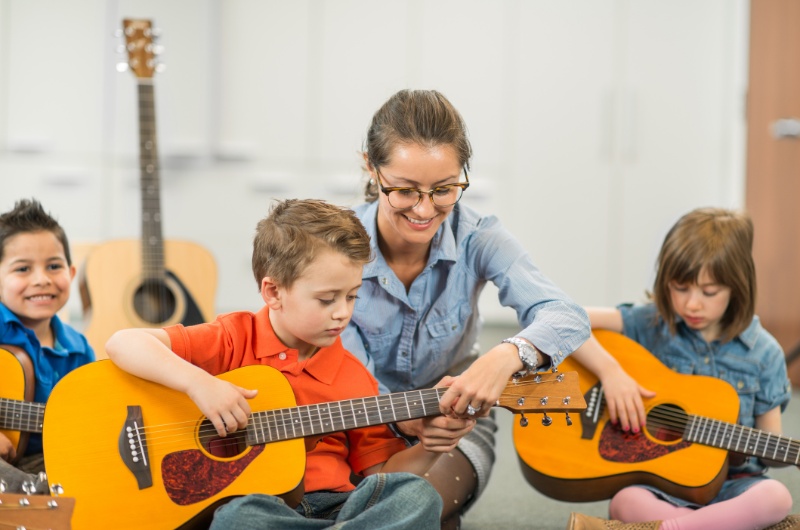
Engaging children in activities that are not only enjoyable but also educational is essential for their overall development. One such activity that stands out for its numerous benefits is kids music classes. In this blog post, we’ll delve into the importance of kids’ activities, with a particular focus on kids music classes, and explore the top fun and educational kids activities that can significantly enrich your child’s life.
Benefits of Kids Activities
Participating in kids activities is a gateway for children to develop essential skills that serve them well throughout their lives. These kids activities go beyond mere entertainment; they foster problem-solving abilities, teamwork, and creativity. When kids engage in structured activities, they learn how to work with others, share ideas, and navigate challenges, all of which contribute to their social development.
Moreover, regular involvement in kids activities promotes physical health, encouraging children to be active and energetic. Whether it’s playing sports, taking dance classes, or engaging in art projects, movement is a fundamental aspect of childhood. This physical engagement not only supports their bodily health but also plays a significant role in enhancing their emotional well-being. Happy, active children are more likely to exhibit positivity, resilience, and overall happiness.
Importance of Music in Child Development
Music is an incredibly powerful tool in child development, influencing a wide range of cognitive, emotional, and social skills that are essential for overall growth. Research consistently shows that music education significantly enhances cognitive abilities, leading to improved problem-solving skills and higher IQ levels among children. Those who are exposed to music from an early age often develop better language skills and become more adept at verbal communication. The rhythmic patterns and melodies encourage attentive listening, allowing children to articulate their thoughts more effectively. This heightened awareness not only supports their academic pursuits but also enriches their everyday interactions.
Moreover, music serves as a vital outlet for emotional expression. Through engaging with music, children can explore and articulate their feelings—whether they are experiencing joy, sadness, or excitement. This emotional exploration is crucial for developing empathy and a deeper understanding of themselves and others. By learning to express their emotions through music, children gain valuable tools for navigating complex feelings, ultimately leading to healthier emotional development. Studies have indicated that children involved in music programs tend to perform better academically, showcasing a profound connection between musical engagement and overall educational achievement.
In addition to cognitive and emotional benefits, music also plays a significant role in social development. Participating in group music activities—like singing in a choir or playing in a band—encourages teamwork, cooperation, and communication skills. These collaborative experiences teach children the importance of working together towards a common goal, fostering friendships and social bonds that can last a lifetime. Overall, the multifaceted benefits of music make it an essential component of childhood education, laying the groundwork for well-rounded individuals equipped to thrive in all aspects of life.
Finding the Right Kids Music Classes for Your Child
Choosing the right kids music classes for your child can be a transformative experience, but it requires careful consideration. Start by evaluating the teacher’s qualifications. A passionate and experienced instructor can inspire your child and make learning enjoyable. Look for classes that offer a supportive environment and foster a love for music.
Class size is another important factor. Smaller class sizes often allow for more personalized attention, enabling the teacher to address each child’s unique learning style. Additionally, consider the curriculum offered. A well-rounded program should balance fun and learning, incorporating a variety of musical styles and techniques to keep your child engaged.
Location matters too! Look for conveniently located classes that fit your schedule. The easier it is to attend, the more likely your child will stay committed to their musical journey. Overall, a thoughtful approach to selecting kids music classes will set the stage for a positive and enriching experience.
How to Incorporate Music into Daily Activities
Incorporating music into your child’s daily life can be a delightful and simple endeavor that enriches their experience and fosters creativity. One of the easiest ways to start is by singing songs during bath time, transforming a routine task into a joyful activity. You can even playfully make up silly tunes about washing hands or splashing in the water, turning each moment into a fun musical experience. Similarly, while cooking dinner, why not create your own catchy jingle about the ingredients you’re using? These small moments help weave music into the fabric of everyday life, making it a natural and enjoyable part of your child’s routine that they will look forward to.
Consider also introducing musical games during car rides. Instead of the usual “Are we there yet?” you can engage your child by singing along to their favorite songs or even creating fun lyrics about the places you pass. For instance, if you’re driving past a farm, you might invent a song about cows and chickens, encouraging your child’s imagination to run wild. This not only entertains but also nurtures their creativity and provides a unique bonding experience. Additionally, listening to different genres of music during these rides can expose them to various musical styles, fostering an appreciation for the diverse world of music.
Furthermore, you can enhance daily chores by incorporating music into these activities. For example, playing upbeat songs while tidying up can make cleaning feel less like a chore and more like a fun dance party. Encourage your child to sing along as they help out, turning mundane tasks into enjoyable musical moments. You might also create themed playlists for different activities—soft lullabies for bedtime, energetic tunes for playtime, or instrumental music for quiet study time. By integrating music into various aspects of daily life, you not only enrich your child’s experiences but also help cultivate a lifelong love for music that can positively influence their development.
Music Games and Activities for Kids
Making music enjoyable can be effortlessly achieved through a variety of engaging games and kids activities that promote learning while providing endless fun. Traditional games like musical chairs and freeze dance are perfect examples; they not only spark laughter but also help develop essential skills such as rhythm and timing. These kids activities can be played at home with family or in larger group settings, fostering social interaction among peers and creating cherished memories. The excitement of competing in musical chairs or bursting into spontaneous dance during freeze dance encourages not only physical activity but also strengthens teamwork and camaraderie.
Adding rhythm games into the mix enhances the musical experience even further. Activities like clapping along to different beats or using simple percussion instruments—such as tambourines or maracas—allow children to express their creativity while exploring the world of sound. These playful interactions are crucial for helping kids grasp fundamental musical concepts like tempo and dynamics, all while nurturing a genuine love for music. By integrating fun into learning, children become more open to discovering the joys of musical expression.
Incorporating music into everyday life can further ignite a child’s interest. Simple kids activities like creating rhythmic patterns during playtime or making up silly songs about daily chores can transform routine moments into delightful musical experiences. Whether it’s singing while washing dishes or clapping out a beat during car rides, these engaging music games not only make learning enjoyable but also lay the groundwork for a lifelong appreciation of music. By fostering this playful environment, we encourage children to embrace their creativity and develop a passion for the art of music.
Tips for Encouraging a Love for Music in Children
Nurturing a love for music in your child can lead to a lifelong passion. One effective way to do this is by encouraging them to explore different musical instruments. Providing opportunities to try out various instruments helps children discover their preferences and can lead to lasting interests.
Attending live performances is another excellent way to foster enthusiasm. Whether it’s a local concert or a school musical, experiencing music in a communal setting can ignite excitement and appreciation for the art form. Furthermore, participating in music competitions or community events can boost confidence and allow children to showcase their talents.
Creating a musical environment at home is essential too. Regularly playing music, singing together, or even having family jam sessions can foster a love for music and create cherished memories. These shared experiences can deepen their connection to music and enhance family bonds.
Conclusion
In conclusion, engaging children in fun and educational activities, such as kids music classes, profoundly impacts their development. By providing opportunities for exploration and creativity, we help them grow into well-rounded individuals with a passion for learning. Embrace the transformative power of kids activitiesand kids music classes to shape the future of our children. Investing in their growth today will yield a lifetime of benefits, ensuring they thrive in all aspects of life.